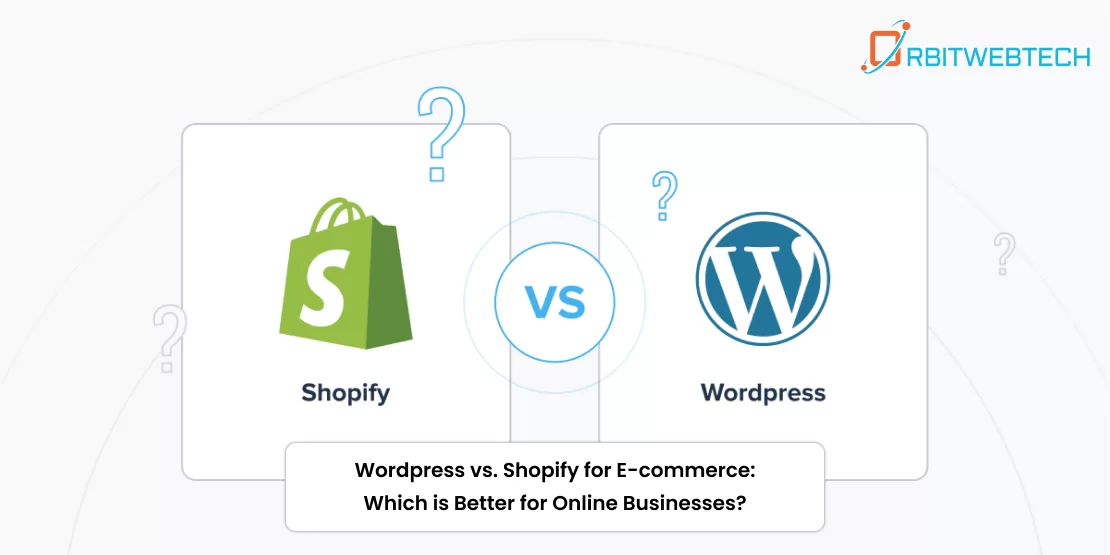
When it comes to building an online store, choosing the right platform can make all the difference for your business’s success. With a wide range of options available, WordPress (specifically with the WooCommerce plugin) and Shopify have emerged as two of the most popular platforms for e-commerce website development. Both have unique features and strengths, making them ideal for different types of users and businesses. In this article, we’ll explore WordPress and Shopify in-depth, examining which platform may be best suited for your e-commerce needs.
Hire WordPress developers if you’re looking to leverage the versatility of WordPress with custom themes, plugins, and features, or if you’re thinking of creating a scalable online store with unlimited flexibility.
What Is WordPress for E-commerce?
WordPress is a powerful content management system (CMS) known for its flexibility and extensive customization options. While it started as a blogging platform, WordPress evolved to support full-fledged e-commerce sites, especially with WooCommerce, an e-commerce plugin designed to transform WordPress sites into online stores. WooCommerce enables businesses to access a variety of e-commerce functionalities, from product listings and shopping carts to payment processing and inventory management.
Benefits of Using WordPress for E-commerce
- Customization and Flexibility: WordPress allows for total control over your website’s design and functionality, thanks to thousands of plugins, themes, and widgets.
- SEO Capabilities: WordPress is widely recognized for its SEO-friendly architecture, and plugins like Yoast make it easy to implement and maintain strong SEO practices.
- Scalability: For businesses looking to grow, WordPress can scale up to accommodate a growing number of products, users, and transactions.
- Cost-Effective: WordPress itself is free to use, with WooCommerce also available as a free plugin. However, premium themes, plugins, and hosting are typically added costs.
What Is Shopify for E-commerce?
Shopify is a dedicated e-commerce platform that’s designed specifically for creating and managing online stores. Unlike WordPress, Shopify is a hosted platform, which means that Shopify takes care of server maintenance, security updates, and hosting, making it a more hands-off solution for business owners who prefer to avoid the technical side of website management.
Benefits of Using Shopify for E-commerce
- Ease of Use: Shopify’s intuitive interface and drag-and-drop functionality make it easy to set up and manage an online store, even for users without technical skills.
- All-In-One Solution: With Shopify, everything you need to run an e-commerce business is included, from product management and secure payment gateways to marketing tools and analytics.
- Reliability and Security: Shopify is a hosted platform with built-in security, making it a hassle-free choice for secure transactions.
- 24/7 Support: Shopify offers customer support around the clock, which can be especially beneficial for those new to e-commerce.
Key Comparison Factors: WordPress vs. Shopify
Ease of Use
- WordPress: WordPress offers endless possibilities for customization, but it requires some technical knowledge, especially for advanced features. With WooCommerce, users get basic e-commerce functions, but adding plugins or custom features may require development skills.
- Shopify: Shopify is designed for user-friendliness, with a simple and intuitive interface. Setting up product pages and payment options is streamlined, making it easy for non-technical users to manage an online store.
Customization and Flexibility
- WordPress: Offers extensive customization with thousands of plugins, widgets, and themes. Users have full control over the source code for a completely personalized website.
- Shopify: Provides a variety of themes and apps, but customization is more limited compared to WordPress. It simplifies setup but may not support highly specialized features.
Cost and Pricing
- WordPress: The core platform is free, but costs include hosting, a domain, and premium themes or plugins, depending on customization and performance needs.
- Shopify: Uses a subscription model with different plans that include hosting, security, and e-commerce features. Additional apps or themes may add extra costs, and transaction fees apply unless using Shopify Payments.
SEO and Marketing Tools
- WordPress: Provides strong SEO capabilities with plugins like Yoast, offering full control over metadata, URLs, and advanced optimization strategies.
- Shopify: Includes built-in SEO features for page titles, meta descriptions, and alt tags. Tools are user-friendly but offer less deep customization than WordPress.
E-commerce Functionality and Payment Options
- WordPress: With WooCommerce, it provides essential e-commerce features like product management, cart, and checkout, along with support for multiple payment gateways.
- Shopify: Comes with built-in e-commerce features, including Shopify Payments, inventory management, order tracking, and multiple payment options.
Scalability and Growth Potential
- WordPress: Can scale as the business grows, but may require better hosting, optimized plugins, and regular maintenance as traffic increases.
- Shopify: Cloud-hosted infrastructure handles increased traffic and sales automatically. Shopify Plus offers advanced options for large, fast-growing businesses.
Who Should Choose WordPress?
WordPress is ideal for businesses that want total control over their online store’s appearance and functionality. If you have some technical knowledge or can hire developers to manage customization, WordPress provides unlimited flexibility. It’s also a cost-effective solution for those looking to create a highly customized online store with unique features and branding.
Who Should Choose Shopify?
Shopify is a strong choice for businesses that prioritize ease of use and prefer a streamlined approach to online store creation. Small businesses, startups, and non-technical users often find Shopify appealing for its simplicity, security, and all-in-one package. If you want a hands-off, dependable platform that lets you focus on sales and growth rather than maintenance, Shopify may be the ideal choice.
WordPress vs. Shopify: Pros and Cons
| Feature | WordPress | Shopify |
| Ease of Use | Learning curve, requires technical setup | Beginner-friendly, straightforward |
| Customization | Extensive plugins and themes, full control | Limited but sufficient customization |
| Cost | Variable costs (hosting, plugins, etc.) | Monthly subscription + transaction fees |
| SEO | Highly customizable with plugins | Basic SEO features built-in |
| E-commerce Features | WooCommerce for core e-commerce functions | All-in-one e-commerce solution |
| Scalability | Scalable with optimized hosting | Scalable with Shopify Plus for large businesses |
Making the Right Choice for Your E-commerce Needs
When deciding between WordPress and Shopify for your e-commerce website development, it’s essential to consider your specific business needs, budget, and technical expertise. Both platforms have proven effective for online store creation but cater to different types of users. WordPress, with WooCommerce, is ideal for those who want full control, customizability, and a scalable solution.
In contrast, Shopify’s ease of use, reliability, and integrated e-commerce tools make it a go-to choice for beginners and small businesses.If you’re still unsure about which platform is best for your online store, feel free to reach out to Orbitwebtech, The Best Web Development Company in the USA. Contact us today to discuss your project and get personalized guidance on building the perfect e-commerce site